
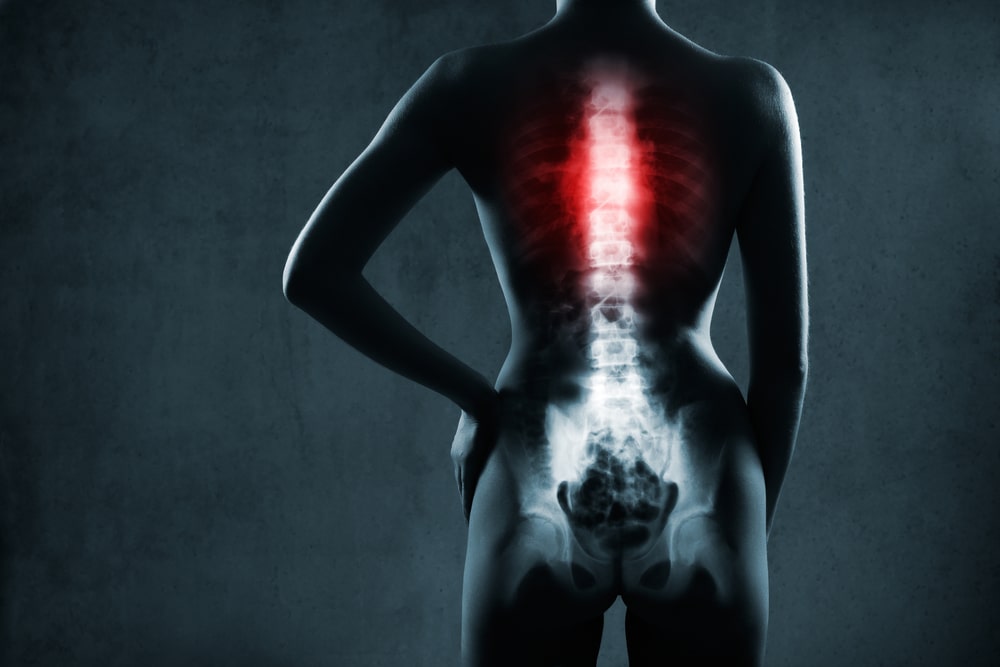
Back injuries are among the most common and debilitating consequences of accidents. The spine supports your entire body and protects the spinal cord, making back injuries particularly serious. Even relatively minor back injuries can cause chronic pain that affects your ability to work, sleep, and enjoy daily activities. Severe spinal injuries can result in permanent disability or paralysis. If you suffered a back injury in a car accident in Pomona, a workplace incident, or a slip and fall in Diamond Bar, understanding your injury is the first step toward recovery and fair compensation.
Understanding the Spine
The spine consists of 33 vertebrae divided into five regions:
Cervical spine (neck): Seven vertebrae supporting the head and allowing neck movement. Injuries here can affect the arms and hands. Learn more about neck injuries.
Thoracic spine (mid-back): Twelve vertebrae attached to the ribs. This region is relatively stable but injuries can still occur.
Lumbar spine (lower back): Five vertebrae bearing most of the body’s weight. This area is highly susceptible to injury and is the source of most back pain.
Sacrum and coccyx: Fused vertebrae at the base of the spine connecting to the pelvis.
Between each vertebra are intervertebral discs—cushions of cartilage that absorb shock and allow flexibility. The spinal cord runs through a canal formed by the vertebrae, with nerves branching out to the rest of the body.
Common Types of Back Injuries
Herniated Discs
A herniated disc (also called a slipped or ruptured disc) occurs when the soft inner material of a spinal disc pushes through the tougher outer layer. This can compress nearby nerves, causing pain, numbness, and weakness that radiates into the arms or legs.
Herniated discs are common in rear-end car accidents where the sudden impact forces the spine to compress and flex rapidly. Symptoms may appear immediately or develop over days following the accident.
Bulging Discs
Similar to herniated discs, bulging discs occur when a disc extends beyond its normal boundaries. While less severe than herniation, bulging discs can still cause significant pain and nerve compression.
Spinal Fractures
Vertebral fractures range from minor compression fractures to severe burst fractures that scatter bone fragments. High-impact accidents like truck collisions and falls from height commonly cause spinal fractures.
Types of spinal fractures include:
- Compression fractures (vertebra collapses)
- Burst fractures (vertebra shatters in multiple directions)
- Flexion-distraction fractures (vertebra pulled apart)
- Fracture-dislocations (vertebra breaks and shifts out of position)
Spinal Cord Injuries
The most catastrophic back injuries involve damage to the spinal cord itself. Depending on the location and severity, spinal cord injuries can cause:
- Paraplegia (paralysis of the legs and lower body)
- Quadriplegia (paralysis of all four limbs)
- Loss of bladder and bowel control
- Breathing difficulties
- Chronic pain and spasticity
Spinal cord damage is often permanent, requiring lifelong medical care and significantly impacting every aspect of the victim’s life.
Muscle Strains and Sprains
While less severe than disc or spinal cord injuries, muscle strains and ligament sprains can still cause significant pain and disability. These soft tissue injuries may heal with conservative treatment but can become chronic if not properly addressed.
Facet Joint Injuries
The facet joints connect vertebrae and allow spinal movement. Trauma can damage these joints, causing localized pain, stiffness, and reduced range of motion.
Symptoms of Back Injuries
Back injury symptoms vary depending on the type and location of damage:
- Localized pain at the injury site
- Pain radiating into arms, legs, or buttocks
- Numbness or tingling in extremities
- Muscle weakness
- Stiffness and reduced range of motion
- Muscle spasms
- Difficulty standing or walking
- Changes in bladder or bowel function (emergency symptom)
Some back injuries cause immediate, obvious symptoms. Others develop gradually as inflammation increases or damaged structures deteriorate. Always seek medical evaluation after an accident, even if back pain seems minor initially.
Diagnosing Back Injuries
Proper diagnosis requires thorough medical evaluation:
Physical examination: Doctors assess range of motion, reflexes, strength, and areas of tenderness.
X-rays: Show bone fractures and alignment but don’t reveal soft tissue damage.
MRI (Magnetic Resonance Imaging): Provides detailed images of discs, ligaments, nerves, and other soft tissues. Often essential for diagnosing herniated discs and spinal cord injuries.
CT scan: Offers detailed bone imaging and can show some soft tissue damage.
EMG/Nerve conduction studies: Measure electrical activity in muscles and nerves to identify nerve damage and its location.
Accurate diagnosis is crucial for treatment planning and for documenting your injuries in a personal injury claim.
Treatment Options
Back injury treatment depends on the diagnosis:
Conservative treatment: Rest, physical therapy, pain medication, anti-inflammatory drugs, and muscle relaxants may resolve many back injuries without surgery.
Injections: Epidural steroid injections, nerve blocks, and other injection therapies can reduce inflammation and pain.
Surgery: Severe injuries may require surgical intervention such as:
- Discectomy (removing herniated disc material)
- Laminectomy (removing bone to relieve pressure)
- Spinal fusion (joining vertebrae together)
- Disc replacement (artificial disc implantation)
Rehabilitation: Physical therapy, occupational therapy, and pain management programs help patients recover function and manage chronic symptoms.
Compensation for Back Injuries
Back injuries often result in significant damages:
Medical expenses: Diagnostic imaging, surgery, hospitalization, physical therapy, medications, and ongoing treatment can be extremely costly.
Lost wages: Back injuries frequently prevent victims from working, especially in physically demanding jobs. Long-term or permanent disability may require compensation for diminished earning capacity.
Pain and suffering: Chronic back pain profoundly affects quality of life. Non-economic damages compensate for this ongoing suffering.
Future care: Severe back injuries may require future surgeries, lifetime pain management, and adaptive equipment.
Proving Your Back Injury Claim
Insurance companies frequently dispute back injury claims, arguing that injuries are pre-existing or exaggerated. Strong evidence is essential:
- Prompt medical evaluation documenting the injury
- MRI and other imaging showing structural damage
- Medical records linking your injury to the accident
- Documentation of symptoms and limitations
- Records of prior health showing no pre-existing back problems
An experienced California personal injury attorney can help gather this evidence and counter insurance company tactics.
Contact Commonwealth Legal Group, PC
Attorney Albert Ng has recovered substantial compensation for back injury victims throughout California. His results include an $800,000 settlement for a passenger who required neck surgery after a bus accident and numerous six-figure recoveries for clients with disc injuries and chronic pain.
Contact us today for a free consultation. We’ll evaluate your back injury case and help you understand your options for pursuing compensation.

