
Experienced Personal Injury Attorneys
California Trauma Centers and Emergency Rooms
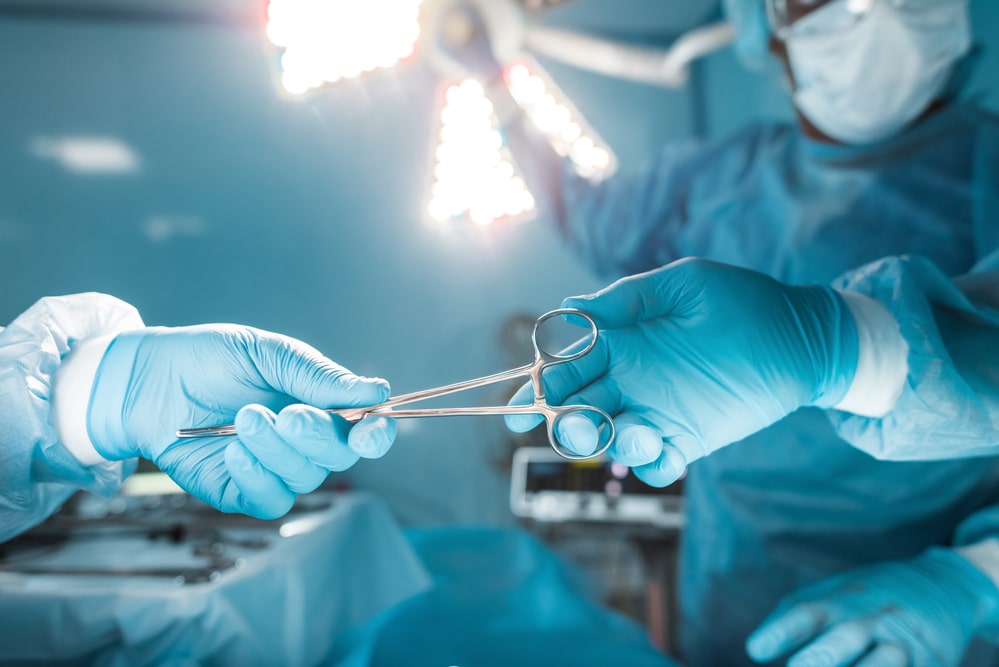
When a serious accident occurs, getting the right medical care quickly can mean the difference between life and death. California’s trauma system includes 86 designated trauma centers that receive and treat over 117,000 trauma patients each year, according to the California Emergency Medical Services Authority (EMSA). If you or a loved one has been seriously injured in a car accident, truck collision, or other traumatic incident, understanding where to find appropriate care is essential.

Understanding Trauma Center Levels
Not all emergency rooms are equipped to handle severe traumatic injuries. California uses a tiered system to designate trauma centers based on their capabilities:
Level I Trauma Centers
Level I trauma centers provide the highest level of trauma care. These facilities offer:
- 24/7 availability of trauma surgeons, anesthesiologists, and specialists
- Comprehensive surgical capabilities including neurosurgery, orthopedic surgery, and cardiothoracic surgery
- Advanced diagnostic imaging available around the clock
- Dedicated intensive care units
- Research and education programs
- Injury prevention and outreach programs
Level I centers serve as regional resources and typically treat the most severely injured patients. They’re often associated with teaching hospitals and medical schools.
Level II Trauma Centers
Level II trauma centers provide comprehensive trauma care similar to Level I centers but may not have the same research and teaching requirements. These facilities offer:
- 24/7 trauma surgeon availability
- Most surgical specialties available
- Advanced diagnostic capabilities
- Intensive care units
Many communities rely on Level II centers as their primary trauma resource.
Level III and Level IV Trauma Centers
Level III and IV trauma centers provide initial stabilization and assessment of trauma patients. While they may not have the full surgical capabilities of Level I or II centers, they play a crucial role in rural and underserved areas by:
- Providing emergency resuscitation and stabilization
- Arranging transfer to higher-level trauma centers when necessary
- Offering basic surgical capabilities
Pediatric Trauma Centers
Some hospitals have specific designations for treating injured children. Pediatric Level I and Level II trauma centers have specialized staff, equipment, and protocols designed for the unique needs of young patients.
Major Trauma Centers in Southern California
Los Angeles County
Los Angeles County has one of the most extensive trauma systems in the nation, with multiple Level I and Level II centers:
Level I Trauma Centers:
- Los Angeles General Medical Center (formerly LAC+USC Medical Center) – One of the largest public hospitals in the country and a major teaching facility. Also serves as a Pediatric Level II center.
- Cedars-Sinai Medical Center – A renowned medical center in West Los Angeles.
- Ronald Reagan UCLA Medical Center – UCLA’s flagship hospital in Westwood.
- Harbor-UCLA Medical Center – Serves the South Bay region.
Level II Trauma Centers:
- Huntington Hospital (Pasadena) – The only Level II trauma center in the San Gabriel Valley, treating over 1,400 trauma patients annually.
- Providence Holy Cross Medical Center (Mission Hills)
- Long Beach Medical Center – Also serves as a Pediatric Level II center.
- Northridge Hospital Medical Center – The only pediatric trauma center in the San Fernando Valley.
San Bernardino County
The Inland Empire is served by several trauma centers:
Level I Trauma Center:
- Arrowhead Regional Medical Center (Colton) – The county’s primary Level I trauma center.
Level II Trauma Centers:
- Loma Linda University Medical Center – A major teaching hospital and regional trauma resource.
- St. Mary Medical Center (Apple Valley)
- Pomona Valley Hospital Medical Center – Serves the western portion of the county and eastern Los Angeles County, including areas near Diamond Bar and Pomona.
Riverside County
Level I Trauma Center:
- Riverside Community Hospital – Riverside County’s first and only Level I trauma center.
Level II Trauma Centers:
- Desert Regional Medical Center (Palm Springs)
- Riverside University Health System Medical Center (Moreno Valley)
Orange County
Level I Trauma Center:
- UCI Medical Center (Orange) – Orange County’s only Level I adult trauma center and Level II pediatric trauma center, verified by the American College of Surgeons.
Level II Trauma Centers:
- Mission Hospital (Mission Viejo)
- Orange County Global Medical Center (Santa Ana)
- St. Joseph Hospital (Orange)

When to Go to a Trauma Center vs. Emergency Room
Understanding when to seek trauma center care versus a standard emergency room can be critical:
Seek a trauma center for:
- Severe injuries from car accidents, especially high-speed collisions
- Traumatic brain injuries or head trauma with loss of consciousness
- Spinal cord injuries or suspected spinal damage
- Multiple broken bones or crush injuries
- Penetrating injuries (gunshots, stabbings)
- Severe burns
- Amputations or near-amputations
- Falls from significant heights
A standard emergency room may be appropriate for:
- Minor fractures
- Cuts requiring stitches
- Minor head injuries without loss of consciousness
- Soft tissue injuries like sprains and strains
When in doubt, call 911. Emergency dispatchers are trained to determine the appropriate level of care and will direct ambulances to the most suitable facility based on injury severity.
What to Expect at a Trauma Center
Trauma centers operate differently from standard emergency rooms:
Trauma team activation: For severely injured patients, a pre-assembled team of specialists is activated before the patient arrives. This team typically includes trauma surgeons, emergency physicians, nurses, respiratory therapists, and other specialists.
Rapid assessment: Trauma patients undergo immediate assessment following established protocols designed to identify life-threatening injuries quickly.
Diagnostic imaging: CT scans, X-rays, and other imaging are performed rapidly to identify internal injuries.
Surgical intervention: If surgery is needed, trauma centers have operating rooms staffed and ready around the clock.
Intensive care: Seriously injured patients are admitted to intensive care units with specialized monitoring and treatment.
The Importance of Medical Documentation
Prompt treatment at an appropriate facility does more than protect your health—it also creates essential evidence for any personal injury claim. Medical records from trauma centers document:
- The nature and severity of your injuries
- The treatment you received
- Your prognosis and expected recovery
- Future medical needs
This documentation is crucial for calculating damages in a personal injury case.
Costs and Insurance Considerations
Trauma care is expensive, often running into tens or hundreds of thousands of dollars for serious injuries. Don’t let concerns about cost prevent you from seeking appropriate care—your health comes first.
If your injuries were caused by someone else’s negligence, their insurance may be responsible for your medical expenses. An experienced California personal injury attorney can help ensure your medical bills are properly accounted for in any settlement or verdict. Contact Commonwealth Legal Group, PC for a free case evaluation.
Contact Commonwealth Legal Group, PC
If you or a loved one has been seriously injured and required trauma center care, the costs can be overwhelming. Attorney Albert Ng has helped accident victims recover compensation for extensive medical treatment, including trauma care, surgery, rehabilitation, and ongoing medical needs.
Contact us today for a free consultation. We’ll review your case and help you understand your options for pursuing the compensation you need to cover your medical expenses and other damages.

